Note: If you or a loved one is experiencing suicidal thoughts or is in immediate danger, please call or text the suicide hotline at 988 or call 911 right away.
Having a child is one of the most heartwarming and life-giving experiences people can have. The anticipation of your baby growing—from being the size of a grape, to an apple, to an orange, to a cantaloupe. The shopping sprees to get just one more outfit (you know, after you said the last was the last). The nursery artwork and cozy blankets. It’s a time to celebrate life and new beginnings.
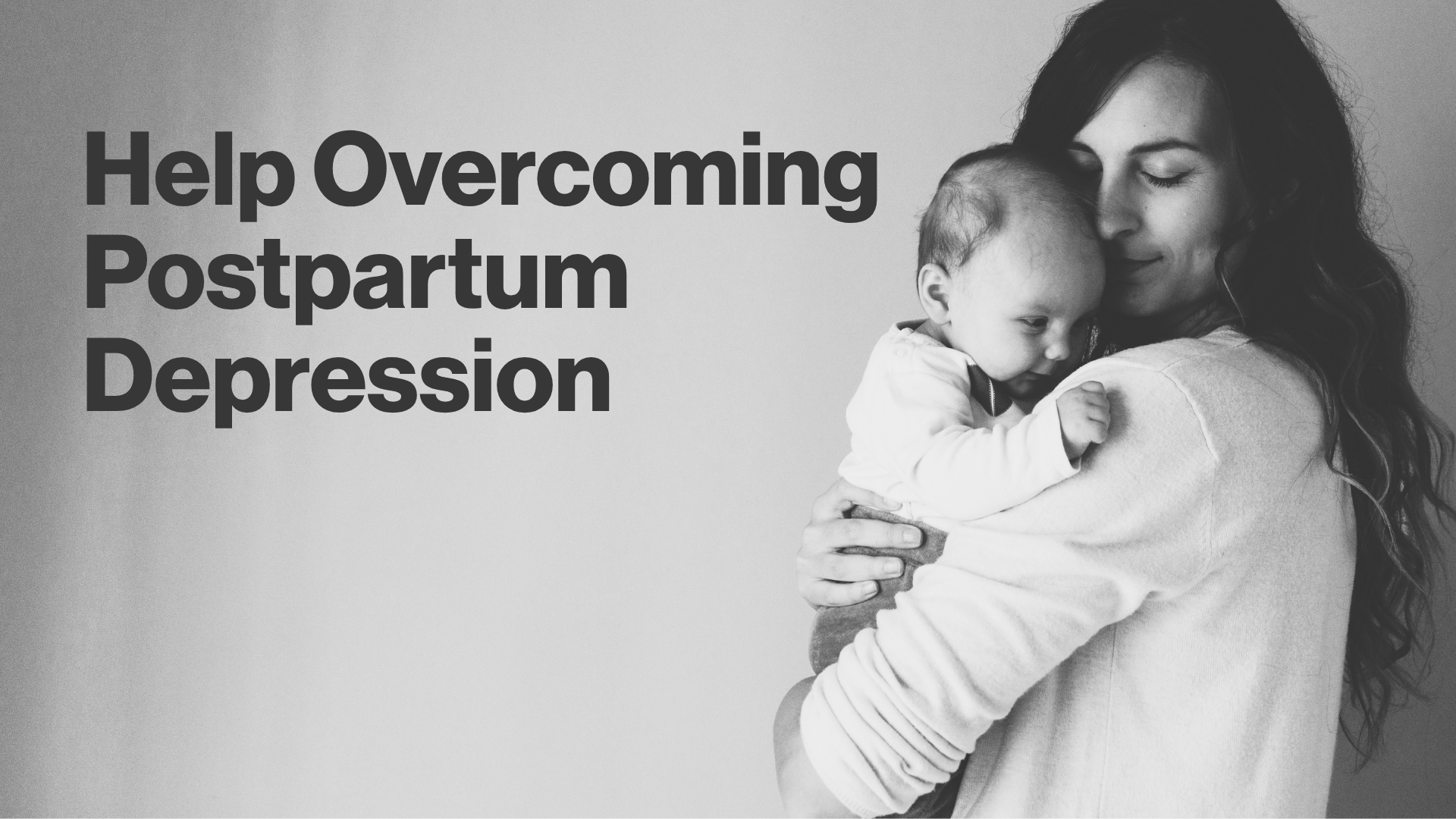
But what many people don’t talk about are the dark parts of parenthood—one of the biggest ones being postpartum depression.
Grief and Joy
What many people fail to understand is that we can feel a complex array of emotions all at once. The joy of welcoming a child into the world doesn’t mean we can’t feel sadness, confusion, depression, or fear. To feel scared, overwhelmed, broken, or afraid doesn’t mean we aren’t ecstatic to see our child’s glowing face.
If you’re struggling with postpartum depression, it doesn’t mean you don’t love your baby and it doesn’t mean you’re doing anything wrong as a parent. Depression is a medical condition caused by chemical and hormonal imbalances. The last thing you need to feel is guilt for the battle you’re facing. Give yourself grace as you make small steps down the path to recovery.
Creating a Plan
If you’ve identified indicators that you may be suffering from postpartum depression, your best next step is to seek out professional help. While it will be good to create support systems from trusted loved ones, nobody will be able to treat you as well as a medical professional. They’ll be able to assess things like whether or not you need medicine, offer up resources, and connect you with the right licensed therapist and other professionals.
Don’t delay in getting the help you need. While some days may seem brighter than others, it’s best to have a conversation before the PPD worsens. There is no shame in being a healthier version of you. Remember—everyone wants to see you healed.
Finding Support Systems
You may not want everyone to know what you’re facing (and that’s more than okay). But having a few trusted confidants who have a good idea of your circumstances will give you a safe space to vent, cry, or ask for prayer. Your support system should be people who have repeatedly earned your trust—the ones you know will keep what you share private and will be available for you when you need it most.
Statistics on Postpartum Depression (PPD)
Postpartum depression can be an unexpected part of childbirth. But it’s not as uncommon as you might think. 1 in 8 women struggle with some form of PPD. This means that of the 3.7 million recorded births in the United States each year, approximately 460,000 women will report symptoms of PPD. Beyond that, studies observed undiagnosed PPD in upwards of 50% of women after childbirth.
If you’re experiencing symptoms of PPD, you’re not in this battle alone. Ask God to clear your mind and give you the strength to take the next step forward. He is with you and will never leave your side.
Prayers for Overcoming Postpartum Depression
Heavenly Father, please heal my mind and spirit. Fill my thoughts with joy and quiet my heart with Your perfect peace. Give me the strength to face each day. Thank You for Your glorious grace and unending mercy. Heal me, Lord. In Jesus’ name I pray, amen.
Almighty Healer, quiet my thoughts. I pray that Your perfect love would cast out every fear that I have. Please heal me from postpartum depression. Remind me that You are always by my side and will never leave me. Comfort me on the journey ahead. Amen.
Dear Lord, give me the courage to ask for help when I need it. Give the doctors wisdom as they show me what options I have to find healing. Give me clarity on what is best for my situation. Show me the right people to share my struggles with and help me to feel safe with them. Amen.
Related Resource: Embracing Hope in the Midst of Postpartum Depression